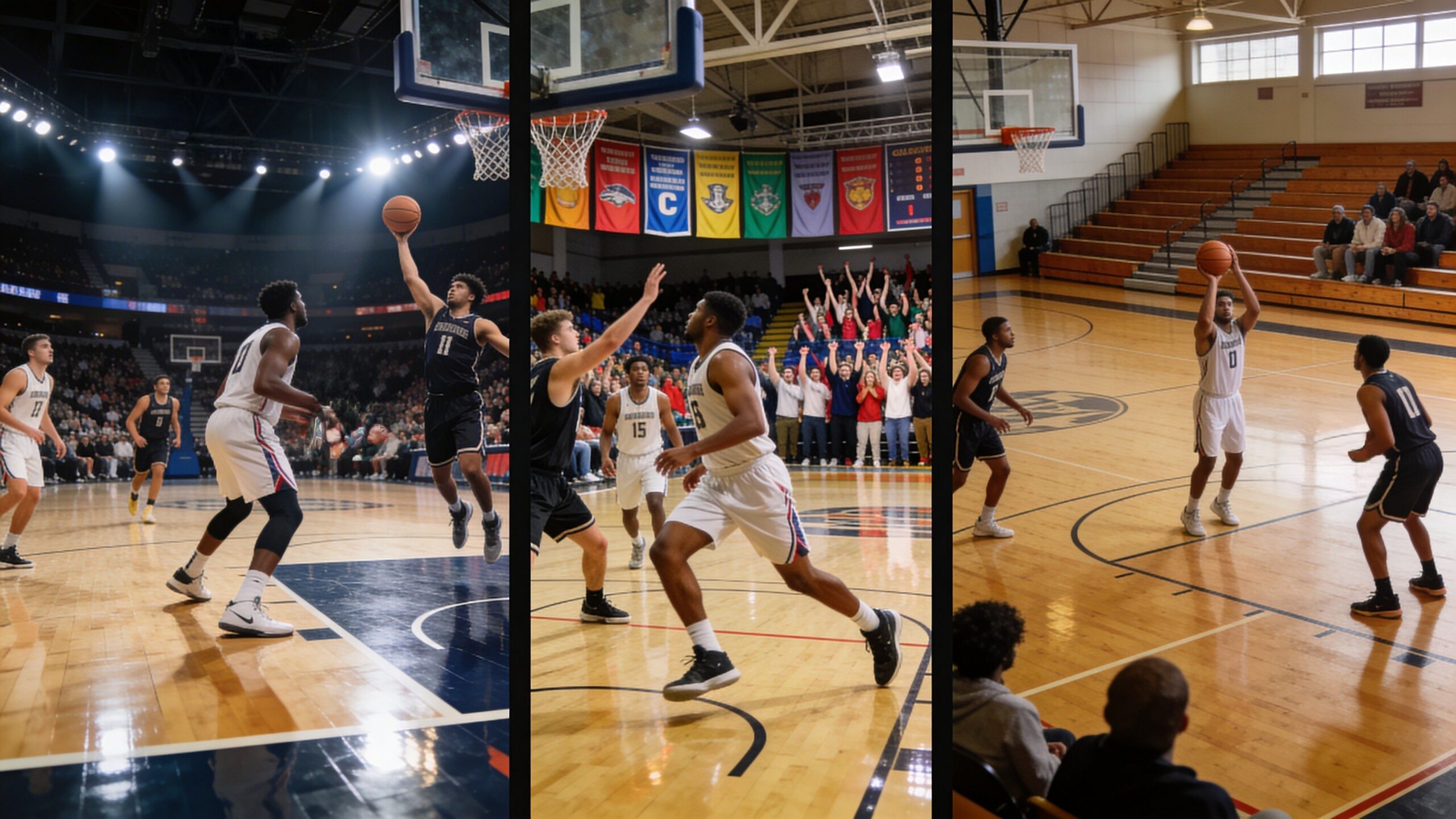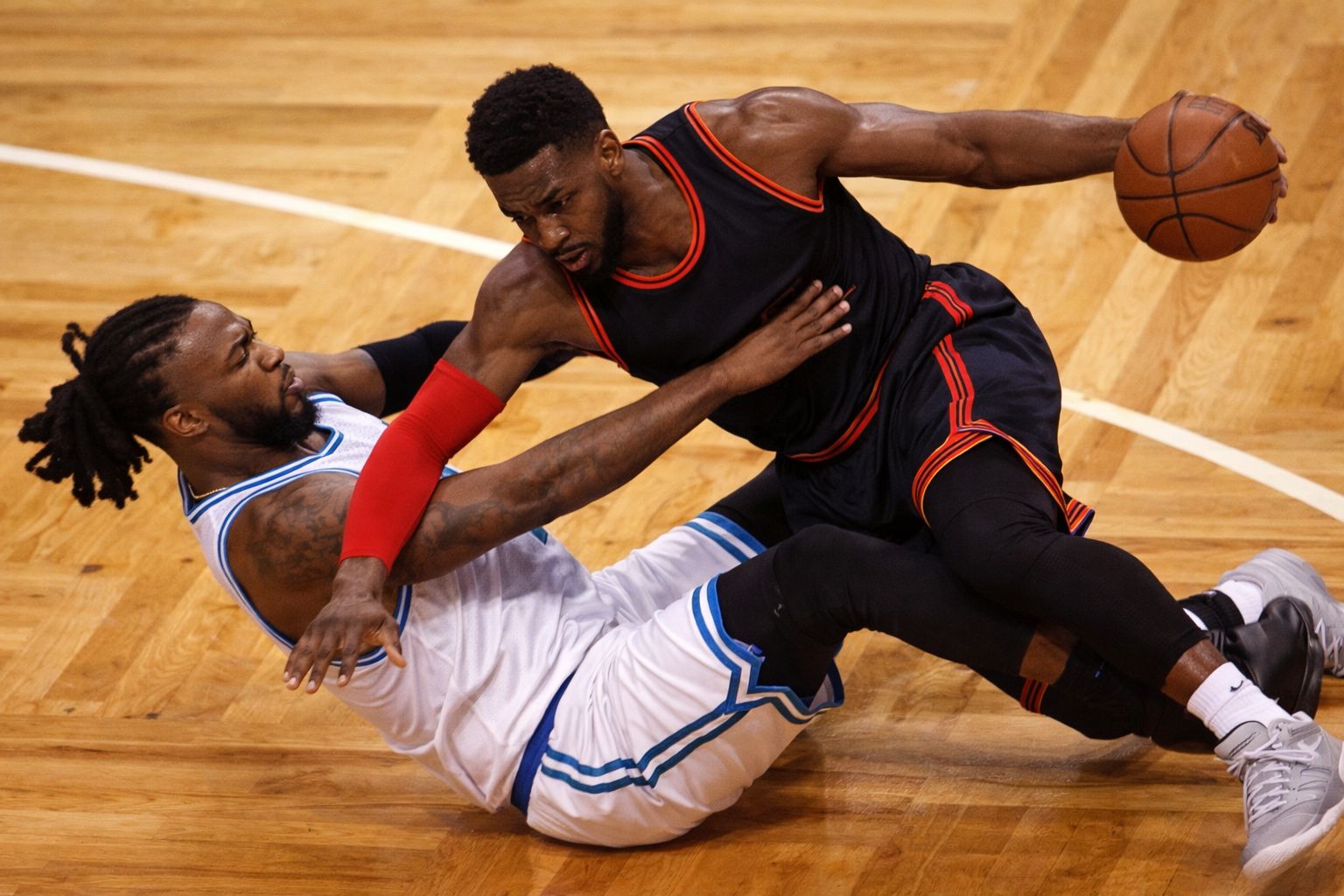
Few moments in basketball are as dramatic and controversial as a player driving to the basket and colliding with a defender. The arena holds its breath, the whistle blows, and instantly the question arises: was it a charge or a block? In that split second, the call can flip possession, erase points, and shift momentum in ways that define entire games. Charging and blocking fouls sit at the heart of basketball’s balance between offense and defense. They determine how aggressively a player can attack the rim and how effectively a defender can stand their ground. The rules governing these fouls are designed to reward proper positioning, timing, and control, yet they remain among the most debated decisions in the sport.
A: It is an offensive foul called when a ball handler crashes into a defender who established legal guarding position.
A: It is a defensive foul called when the defender is not legally in position before the contact occurs.
A: No. The defender can move, but they must establish legal guarding position before the collision.
A: Timing, legal position, torso alignment, and where the contact happens all matter.
A: It is the arc near the basket where defenders usually cannot draw a charge on an airborne offensive player.
A: No. Falling does not decide the call; legal position does.
A: Yes, if they rotate in time and establish legal guarding position before contact.
A: Because they happen fast and the difference between being early and late is often tiny.
A: The basket does not count and the defense gets the ball.
A: Improve footwork, anticipate the drive early, and get into legal position before the offensive player arrives.
The Core Difference: What Defines a Charge and a Block
At its most basic level, a charging foul occurs when an offensive player runs into a defender who has established a legal guarding position. In this situation, the offensive player is responsible for the contact, and the result is a turnover. The defender’s team gains possession, and any basket that might have been scored does not count.
A blocking foul, on the other hand, is called when a defender fails to establish or maintain legal position and impedes the offensive player’s movement. In this case, the defender is at fault, and the offensive player is typically awarded free throws or the ball, depending on the situation.
The distinction hinges on who is responsible for the contact. If the defender is set and the offensive player initiates the collision, it is a charge. If the defender is moving into the path of the offensive player or does not have proper positioning, it is a block.
While the rule sounds simple, applying it in real time is incredibly complex. Players are moving at high speed, often changing direction in an instant. Referees must evaluate positioning, timing, and intent in a fraction of a second, making this one of the most challenging calls in basketball.
Legal Guarding Position: The Defender’s Foundation
The concept of legal guarding position is the cornerstone of the charge versus block decision. For a defender to draw a charge, they must establish this position before the offensive player begins their upward motion or makes contact.
A legal guarding position requires the defender to have both feet on the floor and to be facing the offensive player. Once established, the defender is allowed to move laterally or backward to maintain that position. However, they cannot move forward into the offensive player or step into their path at the last moment.
Timing is everything. If a defender slides into position just before contact but does not allow the offensive player a reasonable opportunity to avoid the collision, the call is likely to be a block. If the defender is clearly set and the offensive player drives through them, it is typically ruled a charge.
This rule rewards anticipation and discipline. Defenders must read the play, predict the offensive player’s path, and establish position early. It is not about reacting at the last second but about being in the right place at the right time.
The Offensive Player’s Responsibility: Control and Awareness
While much of the focus is on the defender, the offensive player also has a responsibility to maintain control. Players attacking the basket must be aware of defenders and adjust their movement accordingly. Charging fouls often occur when offensive players lose control, drive too aggressively, or fail to recognize a set defender.
A key factor is the offensive player’s path. If they lower their shoulder, extend their arm, or initiate contact in a way that displaces the defender, it strengthens the case for a charging foul. Even if the defender is not perfectly stationary, excessive force or clear initiation of contact can result in an offensive foul.
Great offensive players excel at avoiding charges. They use body control, change of direction, and creative finishes to navigate around defenders. Moves like the euro step, spin move, and hesitation dribble are all designed to create space and avoid direct contact.
Understanding when to attack and when to pull back is a critical skill. Players who consistently draw charges against them often struggle with decision-making, while those who adapt can turn aggressive drives into scoring opportunities without risking turnovers.
The Restricted Area Arc: A Modern Twist on the Rule
One of the most important additions to the charge versus block discussion is the restricted area arc, commonly seen in professional and high-level college basketball. This semicircle under the basket defines a zone where defenders cannot draw a charge if they are positioned inside it.
The purpose of the restricted area is to promote offensive play and reduce dangerous collisions near the basket. Without this rule, defenders could position themselves directly under the rim and draw charges on players attempting to finish at close range, increasing the risk of injury.
If a defender is inside the restricted area when contact occurs, the call is almost always a blocking foul, even if they appear to be set. This forces defenders to establish position outside the arc if they want to draw a charge.
The introduction of the restricted area has changed how players approach the game. Offensive players are more confident attacking the rim, while defenders must be more strategic about where they position themselves. It adds another layer of complexity to an already nuanced rule.
Real Game Scenarios: How These Calls Play Out
In live games, charging and blocking fouls often occur in fast-paced, high-pressure situations. One common scenario is the fast break, where a defender sprints back and attempts to establish position before the offensive player reaches the basket. If the defender gets set in time, it can result in a charge. If they arrive too late, it is likely a block.
Another frequent situation involves help defense. A defender rotates from another position to stop a driving player. The success of this play depends on timing and positioning. A well-timed rotation can lead to a charge, while a late or poorly positioned rotation results in a blocking foul.
Post play can also produce these calls. When offensive players back down defenders, any excessive contact or displacement can lead to a charge. Conversely, if the defender is not properly positioned or leans into the offensive player, it may be called a block.
These scenarios illustrate how dynamic and situational the rule is. Each play is unique, and small differences in timing or positioning can completely change the outcome.
The Referee’s Challenge: Split-Second Judgment Calls
Calling a charge or a block is one of the most difficult tasks for a referee. The decision must be made instantly, often from a less-than-perfect angle, while tracking multiple players and anticipating the play’s development.
Referees must consider several factors at once: the defender’s position, the offensive player’s movement, the timing of the contact, and the location on the court. They must also determine whether the defender was set before the offensive player began their upward motion.
Because of these complexities, disagreements are inevitable. Players, coaches, and fans often see the play from different perspectives, leading to debates about whether the call was correct. Instant replays can provide clarity, but even slow-motion footage does not always offer a definitive answer.
Despite these challenges, referees strive for consistency and fairness. Their role is to apply the rules as accurately as possible, ensuring that the game remains balanced and competitive.
Strategy and Impact: How These Fouls Shape the Game
Charging and blocking fouls have a profound impact on basketball strategy. Defensively, drawing charges is a valuable skill that can disrupt the opponent’s offense and create turnovers. Teams often emphasize positioning and communication to increase their chances of taking charges.
Offensively, avoiding charges is equally important. Players must balance aggression with control, choosing the right moments to attack and the right angles to avoid defenders. A single charging foul can erase a scoring opportunity and shift momentum, making decision-making critical.
These fouls also influence how teams approach the game as a whole. Coaches design plays to create driving lanes while minimizing the risk of offensive fouls. Defenses are structured to force difficult decisions and position players to take advantage of aggressive drives.
Over the course of a game, these calls can add up. Multiple charges can disrupt an offense, while repeated blocking fouls can put defenders in foul trouble. The cumulative effect can determine the outcome of closely contested matchups.
Mastering the Balance: The Art Behind the Whistle
Charging and blocking fouls represent the delicate balance that defines basketball. They are not just rules but reflections of the sport’s core principles: fairness, skill, and strategy. Each call tells a story of positioning, timing, and decision-making, revealing the intricate dance between offense and defense. For players, mastering these situations requires more than physical ability. It demands awareness, discipline, and the ability to read the game in real time. For fans, understanding these nuances transforms the viewing experience, turning every drive to the basket into a moment of anticipation. In the end, the difference between a charge and a block is often measured in inches and fractions of a second. Yet those small margins carry enormous weight, shaping the flow of the game and the emotions of everyone involved. By understanding these rules, you gain a deeper appreciation for the complexity and beauty of basketball, where every collision has meaning and every call matters.